A place to begin
Choose by the effect you want and the exact paint label. Traditional gouache and acrylic gouache are not interchangeable products.
Watercolor and gouache often appear beside each other in an art shop. Both can belong in a paper-based creative practice, yet buying one when you meant the other can change your experience.
The most useful starting distinction is between transparent passages and opaque areas of color. But that distinction needs a little care: artists combine materials, paints vary, and the word “gouache” may also appear on an acrylic product. Here is a practical guide to choosing what you intended to buy.
Transparency and opacity
Winsor & Newton describes gouache as having a higher pigment load and being suitable for flat, opaque areas, while watercolor offers transparency. That is a broad comparison of the materials, not a promise that every color will behave identically. Manufacturer’s explanation.
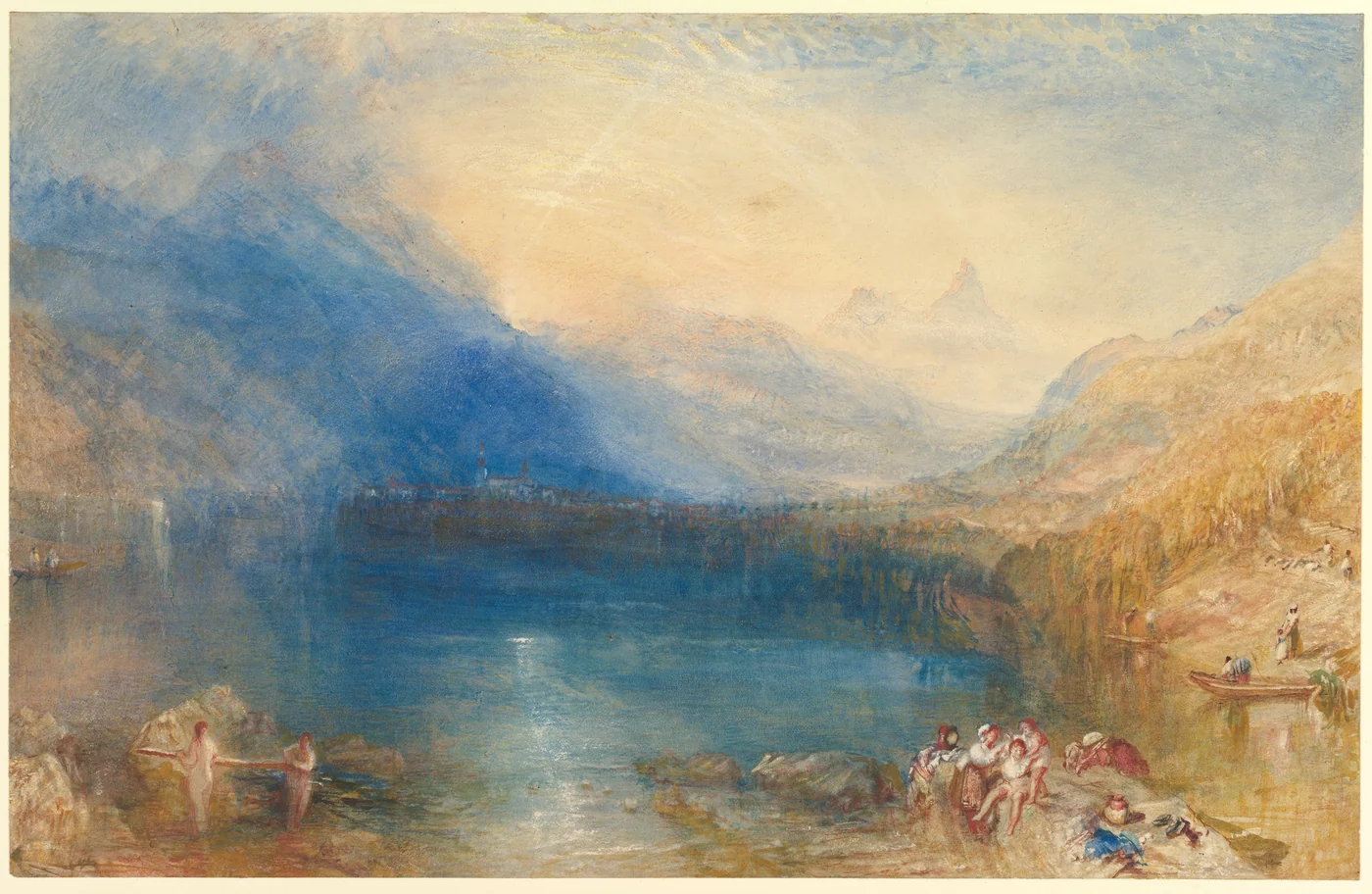
When deciding, collect two or three pictures whose appearance you like. Are you drawn to light passing through layers, or to shapes with a solid, matte presence? Write down what you notice before reading the product recommendations attached to those pictures.
You may find that you like both. That is a reason to investigate the materials carefully, not a reason to buy two large sets immediately.
What happens when you add water later?
Traditional watercolor and gouache commonly use a water-soluble binder, so adding water can affect dried paint. Chapman University’s art collection explains this shared property. Watercolor and Gouache: What’s the Difference?.
For a beginner, the useful implication is to pay attention to the layer beneath a new mark. Do not assume a dry-looking surface will be completely unaffected by later water.
Instead of starting with a complicated finished picture, you could keep a small reference page recording what happens with your particular paints. Label the materials and leave room for observations. Treat it as a record of your own supplies, not a universal chart for every brand.
Acrylic gouache is a separate buying decision
Liquitex describes its acrylic gouache as permanent and water-resistant when dry. It is therefore important not to transfer assumptions about traditional gum-based gouache to that product. Liquitex Acrylic Gouache.
Look for the word “acrylic” on the label and read the maker’s cleanup and usage instructions. If a tutorial specifies traditional gouache, a similarly named acrylic product may not be an appropriate substitute.
The goal is not to declare one better. It is to choose deliberately. Put the complete product name on your shopping list so that a near match does not become an accidental experiment.
Artists have combined these materials
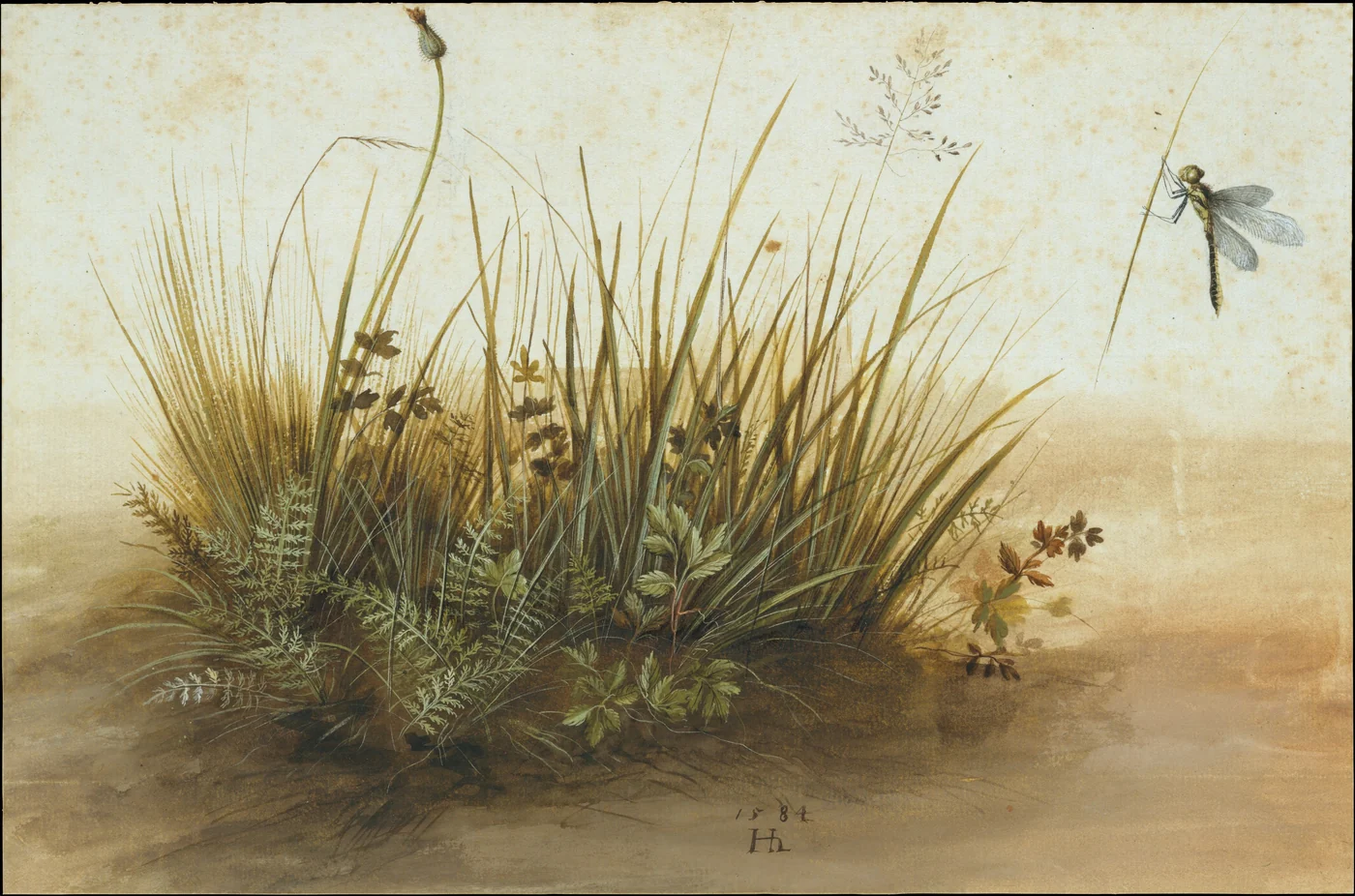
Hans Hoffmann’s A Small Piece of Turf, reproduced above, is recorded by The Met as gouache and watercolor over charcoal. It is a historical example of mixed materials rather than a demonstration of a single modern paint set. View the museum record.
Look at the fine stems and the broader leaves without trying to assign each mark to one material from a screen image. The important point is that a museum’s materials line can be more precise than a casual description of a work as simply “a watercolor.”
You can find further examples in our five-painting gallery. Read the captions and object records before drawing conclusions about technique.
Which would we suggest trying first?
Consider watercolor if your main interest is exploring washes, open areas of paper, and changes between softer and clearer edges.
Consider traditional gouache if you are curious about a more opaque, matte approach and want to investigate that appearance on paper.
Investigate acrylic gouache separately if a permanent, water-resistant dry layer is part of the process you want. Follow the particular manufacturer’s instructions.
These are starting suggestions based on your desired activity, not a ranking of skill level. Someone interested in bold illustration may make a different choice from someone keeping a small landscape sketchbook, and neither needs to justify that preference.
Keep the first purchase specific
Pick one project, one paint type, and a small selection of suitable materials. If you are following a teacher or a book, check its exact requirements before buying.
Keep the packaging information or write the product name in your notebook. A useful note might say what you enjoyed, what surprised you, and what you want to try next. It does not need to score the paint.
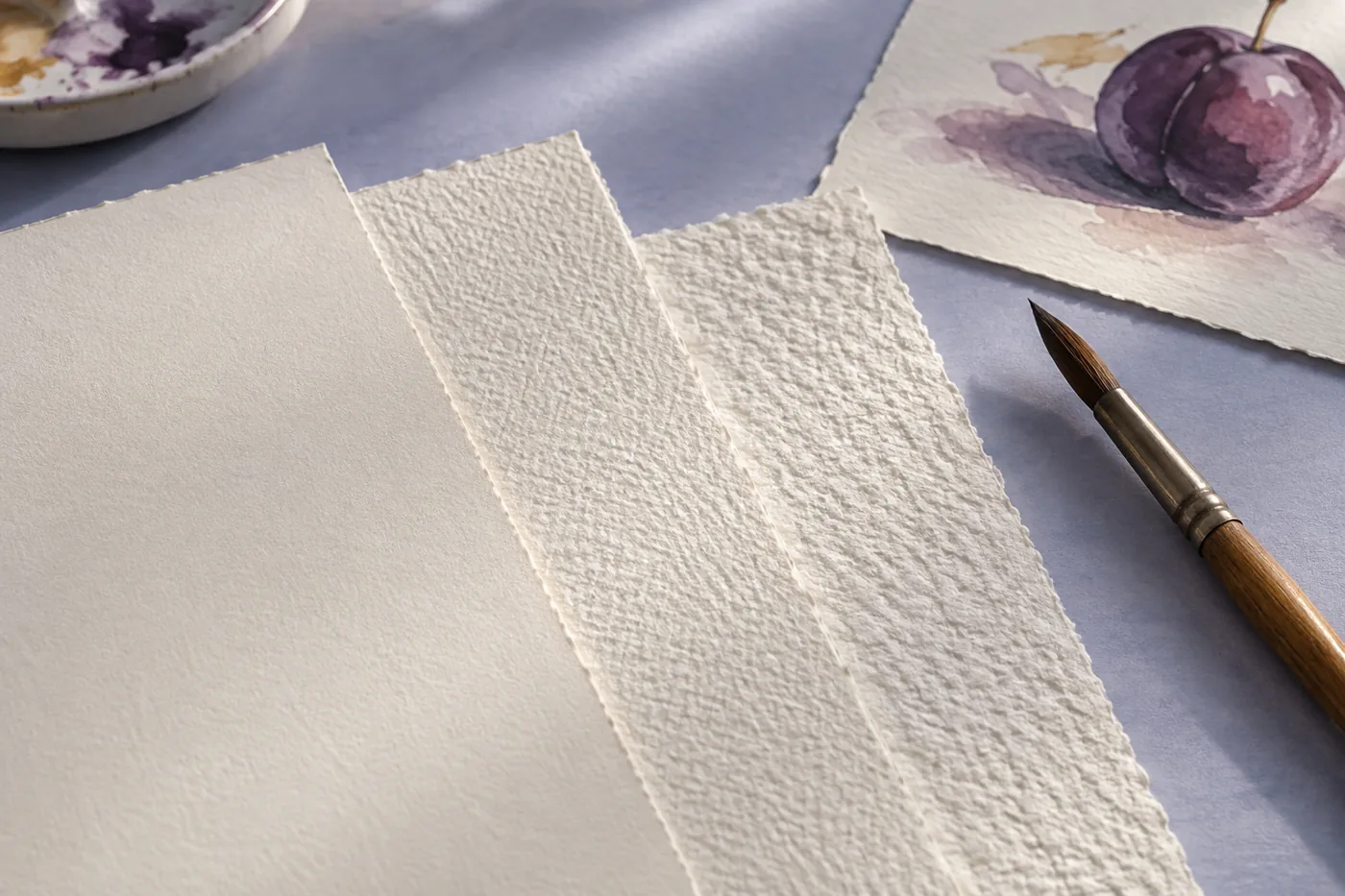
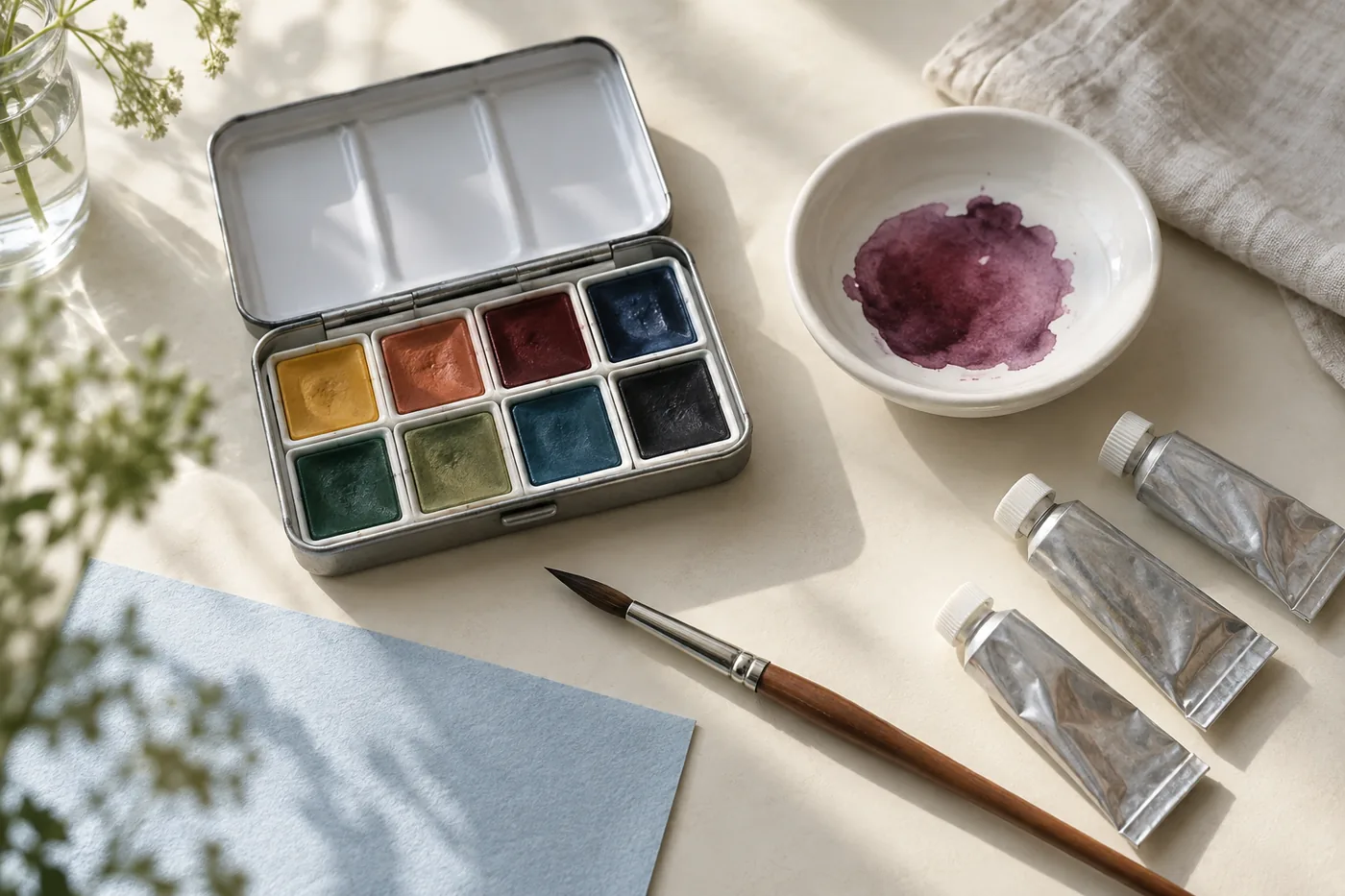
If watercolor is the direction you choose, our paper guide and pans versus tubes comparison will help you narrow the next decision. If you would rather begin with dry materials, build a small creative kit from supplies you already own.
Words and ideas from InklessEdit. Read our editorial approach.
← Back to the journal